Source Spring Loaded Espresso Coffee Tamper for Cafes
Find and compare 30 spring loaded espresso coffee tamper options from Chinese manufacturers. Evaluate features like calibrated pressure, material types including aluminum alloy and stainless steel, and custom branding services for professional barista tools; compare the available evidence and request quotations based on your requirements.
Key considerations
Products List
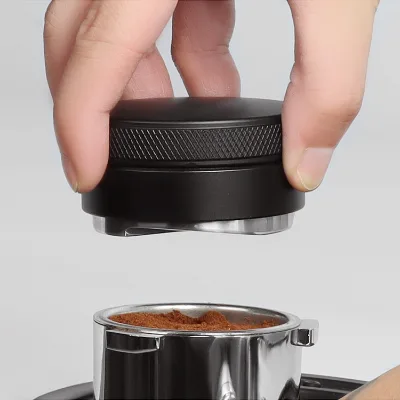
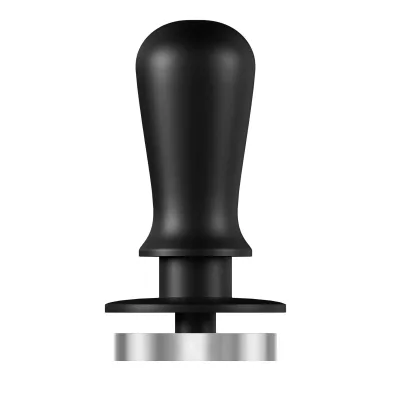
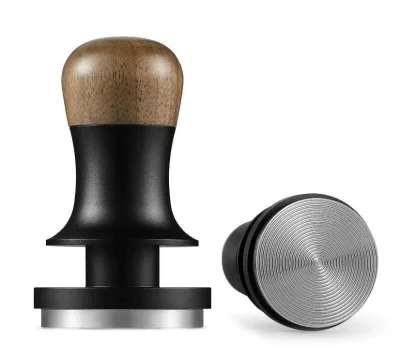


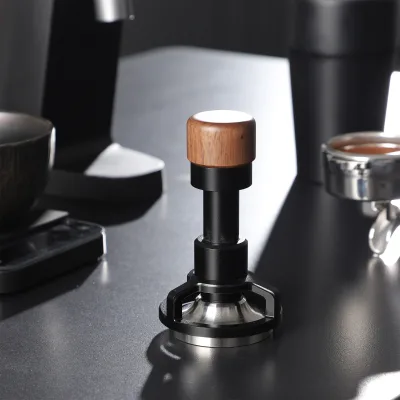






Comprehensive Sourcing Guide
Spring Loaded Espresso Coffee Tamper Sourcing Guide
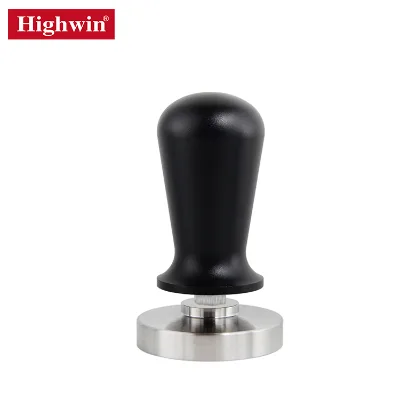
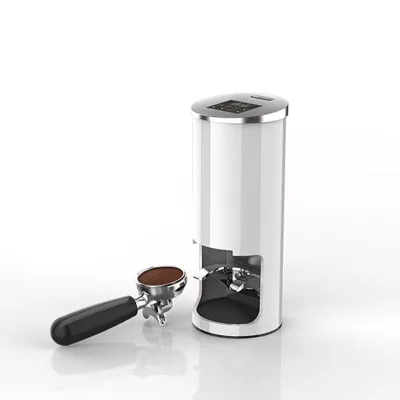
Sourcing spring-loaded espresso coffee tampers requires a nuanced understanding of both mechanical precision and material durability, as these tools directly influence extraction quality. The market offers a diverse range of options, from basic aluminum alloy models to advanced stainless steel variants with calibrated pressure features. Buyers must distinguish between standard manual tampers and those with integrated spring mechanisms that provide consistent resistance, ensuring uniform coffee puck density. This distinction is critical for commercial environments where repeatability is paramount, whereas home users may prioritize portability and aesthetic design.
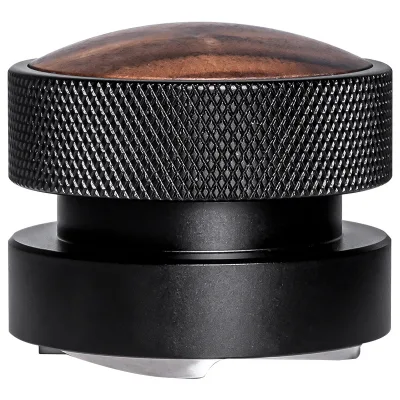
The observed product landscape includes various configurations, such as 51mm, 53mm, and 58mm sizes, catering to different portafilter standards. Materials range from aluminum alloy combined with stainless steel to pure stainless steel or even wood-accented designs, each offering distinct tactile feedback and longevity. Understanding these material differences helps buyers align their procurement with specific brand identities or functional requirements. For instance, stainless steel bases like 304 grade offer superior corrosion resistance, while aluminum options provide lighter weight for portable use.
Product Scope and Observed Listing Signals
Current market listings reveal a wide spectrum of product attributes, including weights ranging from approximately 198g to 243g depending on the diameter and material composition. Features such as eco-friendly manufacturing, stocked availability, and portable designs are frequently highlighted, indicating a trend toward sustainable and convenient sourcing. Brands like HH and NUODA appear in the data, suggesting a competitive field with varying levels of customization and service offerings. These signals help buyers identify suppliers who can meet specific volume requirements or branding needs through OEM and ODM services.
The observed price range spans from $0.85 to $515, reflecting significant variation in quality, material grade, and feature complexity. Minimum order quantities (MOQs) typically range from 1 to 1000 units, allowing flexibility for both small boutique cafes and large-scale distributors. Listings often emphasize advantages like calibrated pressure, which is a key differentiator for spring-loaded models. Buyers should note that "classic" styles and customizable logos are common, enabling brands to maintain visual consistency across their equipment lines while leveraging the functional benefits of spring-loaded mechanisms.
Technical Specifications to Verify
Verifying technical specifications is essential to ensure compatibility and performance. Key dimensions to confirm include the base diameter, which must match the portafilter basket size, typically available in 51mm, 53mm, and 58mm variants. The weight of the tamper, often around 243g for 58mm models, affects the user's ability to apply consistent pressure without fatigue. Additionally, the metal type, whether aluminum alloy or stainless steel, impacts durability and resistance to wear. Buyers should request detailed specifications for the spring mechanism, including its tension rating and calibration accuracy, to ensure it delivers the promised consistent pressure.
Packaging and logistical details also play a crucial role in procurement planning. Single package sizes vary, with dimensions like 8x8x12 cm or 10x8x12 cm observed, influencing shipping costs and storage requirements. The single gross weight, ranging from 0.400 kg to 1.500 kg, further affects freight calculations. It is vital to confirm the model number and any unique design features, such as wooden handles or specific color options like black or grey. Ensuring these specifications align with the buyer’s operational needs prevents costly mismatches and ensures seamless integration into existing workflows.
Compliance and Safety Documentation
While specific certification statuses are not explicitly detailed in the provided data, buyers must verify that all materials comply with relevant food safety standards. Stainless steel components, particularly those labeled as 304 grade, should meet international standards for food contact materials to prevent contamination. Suppliers should provide documentation confirming that the aluminum alloys and any wooden or plastic parts, such as PC handles, are free from harmful substances like BPA. This due diligence is critical for maintaining brand reputation and ensuring consumer safety, especially for products used in professional coffee shops and restaurants.
Additionally, buyers should inquire about the manufacturing processes and quality control measures implemented by the supplier. Evidence of adherence to environmental regulations, such as eco-friendly production methods, can be a significant value add for sustainability-focused brands. It is advisable to request test reports or compliance certificates from independent laboratories to validate these claims. Ensuring that the supplier follows strict quality protocols helps mitigate risks associated with product defects or safety issues, providing greater confidence in the long-term reliability of the sourced tampers.
Cost Drivers and Commercial Terms
Several factors influence the final cost of spring-loaded espresso coffee tampers, including material selection, manufacturing complexity, and customization requirements. Stainless steel models generally command higher prices than aluminum counterparts due to their durability and premium finish. Customization options, such as logo engraving or unique color schemes, can also impact pricing, as they involve additional production steps. Buyers should negotiate clearly on these variables to optimize their budget while maintaining desired quality levels. Understanding the cost structure helps in making informed decisions about volume discounts and long-term contracts.
Commercial terms, including MOQs and lead times, are critical for supply chain planning. The observed MOQ range of 1 to 1000 units offers flexibility, but larger orders may yield better per-unit pricing. Buyers should clarify payment terms, shipping responsibilities, and return policies to avoid unexpected costs. Additionally, considering the single gross weight and package dimensions is essential for calculating accurate freight costs. Establishing clear communication with suppliers regarding these commercial aspects ensures a smooth procurement process and minimizes disruptions in the supply chain.
Supplier Qualification and Quality Control
Evaluating supplier qualifications is paramount to securing reliable sources for high-quality tampers. Buyers should assess the supplier’s experience in manufacturing coffee tools, their production capacity, and their ability to handle OEM and ODM requests. Suppliers offering customized designs and logo services demonstrate flexibility and a customer-centric approach. It is also important to verify their quality control processes, including inspections during production and final checks before shipment. Suppliers with robust QC systems are more likely to deliver consistent products that meet specified standards.
Furthermore, buyers should consider the supplier’s reputation and customer feedback. Reviews from other buyers can provide insights into product reliability, customer service responsiveness, and after-sales support. Suppliers located in regions like Fujian and Guangdong, China, are known for their manufacturing expertise in metal and plastic goods. However, buyers should conduct thorough due diligence, including factory audits if possible, to ensure compliance with ethical and quality standards. Building a relationship with a qualified supplier fosters trust and facilitates smoother transactions in the long run.
Long-Term Procurement Checks
Establishing long-term procurement checks ensures sustained quality and supply chain stability. Regular audits of supplier performance, including delivery times and product consistency, help identify potential issues early. Buyers should implement a feedback loop with end-users to gather insights on product durability and user experience. This information can guide future purchasing decisions and inform negotiations with suppliers. Continuous monitoring of market trends and technological advancements in tamper design also allows buyers to stay competitive and meet evolving customer expectations.
Additionally, maintaining a diversified supplier base mitigates risks associated with single-source dependencies. Buyers should periodically review their supplier portfolio to ensure they have access to alternative sources in case of disruptions. Regularly updating technical specifications and compliance requirements ensures that sourced products remain aligned with industry standards and regulatory changes. By proactively managing these long-term checks, buyers can secure a reliable supply of high-quality spring-loaded espresso coffee tampers, supporting their business growth and customer satisfaction.
FAQs
What materials are used for spring loaded espresso coffee tamper construction?
These tampers are typically constructed from aluminum alloy and stainless steel. Some models feature a stainless steel 304 base for durability. Other variations may incorporate wood or porcelain elements. The metal type ensures robust performance while maintaining a professional finish for commercial or home use.
Which sizes are available for spring loaded espresso coffee tamper?
Standard sizes include 51mm, 53mm, and 58mm to fit various portafilter baskets. Custom sizes are also available to meet specific demand. These dimensions ensure precise calibration for consistent coffee extraction. Buyers can select the exact size required for their equipment to maintain optimal pressure and brewing results.
Can spring loaded espresso coffee tamper be customized with a logo?
Yes, customization is acceptable for branding purposes. Buyers can request customized logos and designs on the product. OEM and ODM services are available to support unique requirements. This allows businesses to brand their equipment effectively while maintaining the high quality and functionality expected from professional coffee tools.
What is the typical weight of a 58mm spring loaded espresso coffee tamper?
A 58mm model typically weighs about 243 grams. This weight provides a balanced feel for consistent tamping pressure. The single gross weight may vary slightly depending on packaging, often around 0.400 kg. This specific weight helps baristas achieve uniform compression without excessive fatigue during high-volume service.
Where are spring loaded espresso coffee tamper manufactured?
These products are manufactured in China, specifically in Fujian and Guangdong provinces. This location supports efficient production and supply chain logistics. Buyers can source directly from these regions to access competitive pricing and reliable manufacturing capabilities. The origin ensures adherence to established production standards for coffee tools.
What is the MOQ for ordering spring loaded espresso coffee tamper?
The minimum order quantity ranges from 1 to 1000 units. This flexibility accommodates both small sample orders and large bulk purchases. Buyers can start with a low MOQ to test quality before scaling up. This range supports diverse procurement needs, from individual cafes to large distributors seeking customized solutions.